Welcome to our new Nature Wellbeing Calendar series.
Each month, you’ll be treated to 10 easy and enjoyable ways to get your regular dose of nature. Learn more about how nature helps your health and wellbeing.
Here’s some ideas for June. How many can you do this month? 🙂
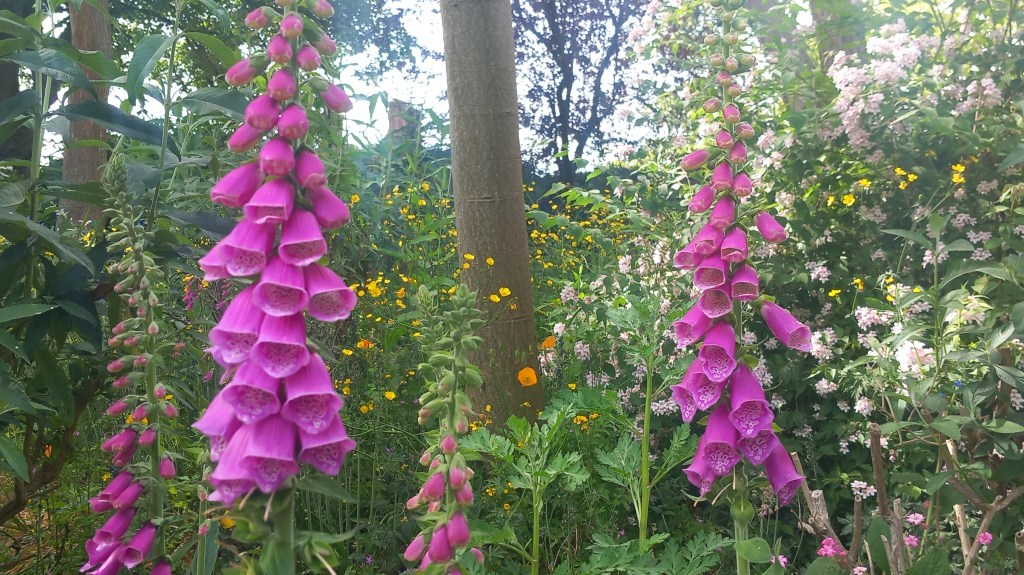
1. June is the first month of summer, with more warmth, light, and flowers! See if you can find the majestic Foxglove in wooded areas, verges or gardens. Their spires of pink or white tubular flowers can grow up to 2 metres tall! Linger a while. If you’re lucky, you’ll see a bee backing out of a flower tube, its bottom covered in bright yellow pollen. 🙂
2. Is this your really lucky month? Take a stroll around any grassy area and look down. You’ll spot the white flower ‘balls’ and three-part leaves of the White Clover. But can you find that lucky four-leaf variety? If so, do take a photo and share your excitement with with friends and family and with our Nature WhatsApp Group.

3. Learn to ID a new native tree! Lime Trees are everywhere in York along green routes. Look for trees with soft heart-shaped leaves and dangling yellow flowers. Why not go for a walk or ride in the Millennium Bridge area one evening? Pause beneath a Lime Tree, breathe in and listen carefully. You’ll notice the strong honey scent of the blossom and a loud humming sound. It’s all the local pollinators in a feasting frenzy! Bathe in the music of the bees.
4. What’s that red fingernail? Now you found a Lime Tree, can you find a Lime Nail Gall? Marvel at miniature red fingers growing out of lime leaves. These are caused by a tiny mite feeding on the leaves.
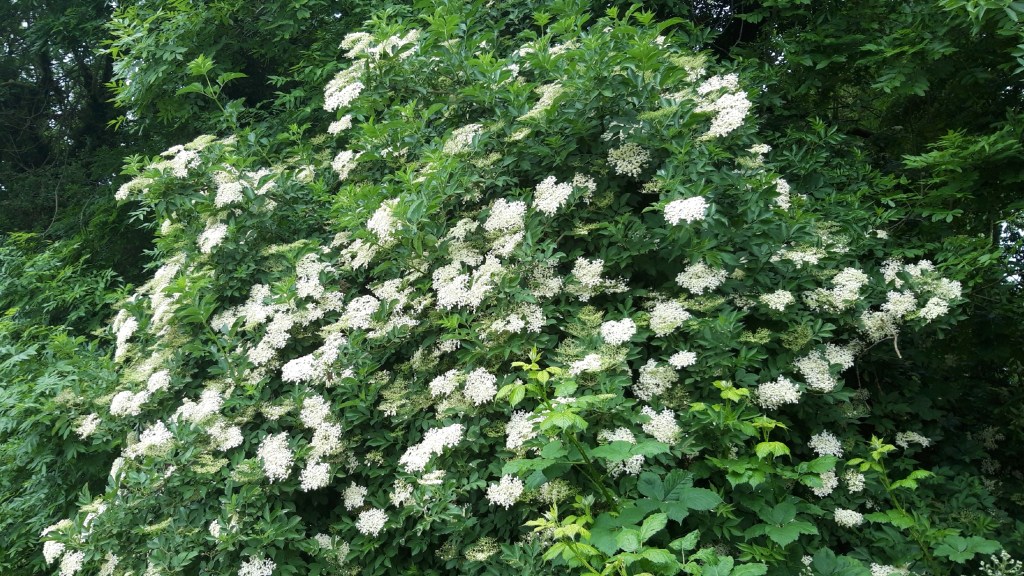
5. Another native tree in blossom this month is the Elder Tree. Frothy bouquets of scented cream flowers are displayed on dark green leaves. Go for a stroll on a sunny day. If a warm lemony scent drifts your way, you’ll know the Elder is nearby. Pause a moment, and bury your nose in the intoxicating smell of June! 🙂
6. There’s still time to grow your own wildflowers. Annual cornfield wildflower only take a few months to flower from seed. Try cheery blue Cornflowers or vibrant red Poppies. Simply scatter seed on soil in a sunny spot, press the seeds down, and keep watered. Sit back and enjoy watching them burst into marvelous colour in late summer.
7. Who’s visiting? One of summer’s greatest delights is to hang around flowers and see who visits. It could be any one of our 270 species of Bees, 280 species of Hoverfly, 59 species of Butterfly or 2500 species of Moths! Spend a happy few minutes recording who you see on the iNaturalist citizen science app.

8. Look out of your window or find some grass to lie in. Breathe deeply, look up, and watch the clouds go by. You’ll feel your shoulders drop and tension in mind and body ebb away. Perhaps use your imagination to find shapes or learn a few cloud types. This heaped up Cumulus is always a favourite! And why not try a cloud sketch in your Nature Journal?

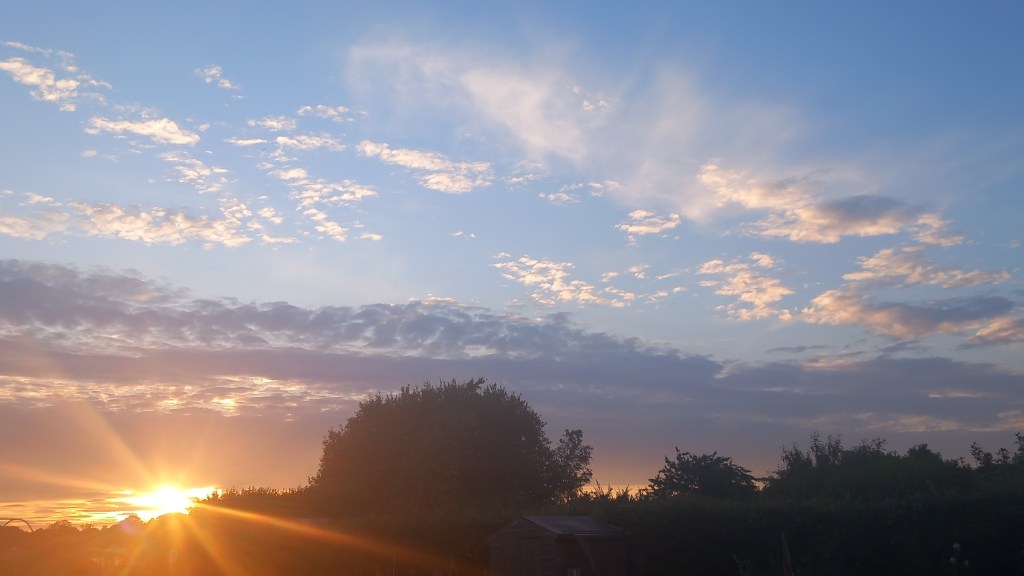
9. The Summer Solstice is here! Plan a celebration to enjoy the longest day around 20 or 21 June. How about walking or riding to your favourite nature spot, picnicking with family or friends, or watching the sun rise or set? Reflect for a few moments on the things you are grateful for in your life.
10. As the light dims at the end of a June day, open your window and join the Blackbirds in saying ‘goodnight’ to the world. Their magical singing is at its peak now at dawn and dusk. Relax to the Blackbird’s song.


 York Bike Belles