
Welcome to our new Nature Wellbeing Calendar series.
Each month, you’ll be treated to 10 easy and enjoyable ways to get your regular dose of nature. Learn more about how nature helps your health and wellbeing.
Here’s some ideas for July. How many can you do this month? 🙂
1. Try a spot of meadowing! Stroll down to the riverside and find a footpath through one of York’s many flood meadows or Ings. You’ll be delighted by rarer colourful wildflowers such as great burnet and tufted vetch, and beautiful birdsong from song thrushes and reed buntings. Enjoy a meadow experience along Fulford Ings.
2. Who’s the tallest? While you’re by the river, keep an eye out for Great Willowherb and Himalayan Balsam. They both produce pink flower spikes as tall as a person. Himalayan Balsam is considered an invasive species as it dominates over native species. Help us with ‘balsam bashing’ on our Wilder Spaces this summer.

3. Ragwort is another tall wildflower. Its cheery yellow flowers support over 200 species. It can be found, well, everywhere. Pause for a moment to see who’s visiting. Could it be one of our brilliant bumblebees? But which one? To help with bee ID, look closely at the colour of their tail. Is it white, buff, yellow or red? Learn how to identify bumblebees.
Here’s a fun photo challenge! Follow a bee as it buzzes from flower to flower until you capture a ‘bee on a bloom’ image. Celebrate when you get home by sharing with friends and family or our Nature WhatsApp group.
4. Another plant everywhere this month is the Dock. They have broad green leaves and reddish seeds on tall flower stems. Rustle about in their nether regions and you may find a glinting green treasure – a dock beetle! Resembling mini Tansy Beetles, they munch holes in the plants’ lower leaves so the leaves look like lace.

5. Who’s a-flutter? Spend a pleasant few minutes on a sunny day counting butterflies between 18 July and 10 August for the Big Butterfly Count. Look out the window or find a sit spot with a greenery view. Relax, and tune in to the nature around you, while keeping an eye out for any fluttering beauties! Small Whites are very active this month, as are the striking Peacocks or Red Admirals. Hang out by a Buddleia with its long conical purple or white flowers. It’s known as the ‘butterfly bush’ for a good reason. 🙂
6. Feel the thrill of the high flyers! Head outdoors on a July evening and plan a route near a wood, river or grassland expanse. Watch the skies and the area just above the water or grass closely. You may see our summer visitors swooping and diving as they hunt for insects. Marvel at their speed and dexterity. Appreciate the joyful moment, for they will soon return to their distant homes in Africa. Can you tell the difference between house martins, swifts and swallows?
7. Many birds go quieter in the summer months, but they are still here! Don’t forget to provide fresh water on warmer days. Simply fill plant pot saucers with water in your outdoor space. Our friends can then enjoy both refreshment and bathing. You’ll get great pleasure in watching them drink, or happily splash around. 🙂 Learn how to make the perfect bird bath.

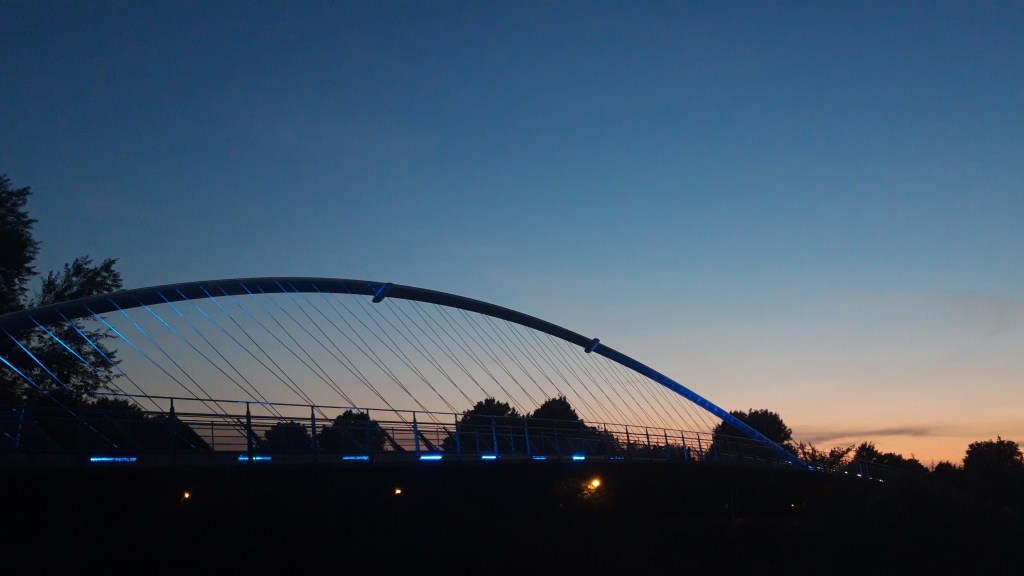
8. Feeling hot at home? Take a slow walk or ride down to the river. You’ll be welcomed by the shade of trees and cool breezes off the water. Enjoy one of our riverside routes from the Millennium Bridge. Find a bench in the shade or sit on the grass under a tree. Breathe deeply a few times, and feel your body and mind relax. What can you see, hear or smell in this moment? And how do you feel? Perhaps write about your experience in your Nature Journal when you get back.

9. Does anything say ‘Summer!’ more than a rippling meadow of grasses? Wild grasses are abundant on the Ings, Strays and other grasslands around York. Enjoy the meadow spectacle as a whole, or get closer and feel the grasses. Are they soft and smooth, or rough and prickly? Did you know there are over 160 species of grasses? One common species is Cocksfoot, named as the flower cluster or ‘inflorescence’ looks like a bird’s foot! It’s an important food source for our Meadow Brown and Gatekeeper caterpillars.
10. Let nature help you wind down. After sunset on a beautiful summer’s day, the blue hour begins. The sky becomes a rich blue, lighter towards the horizon. And then slowly deepens in colour. Keep looking out your window, and notice the change. Allow the calming colours to gently wash over you, before you slip into a deep and peaceful night’s sleep.


 York Bike Belles